
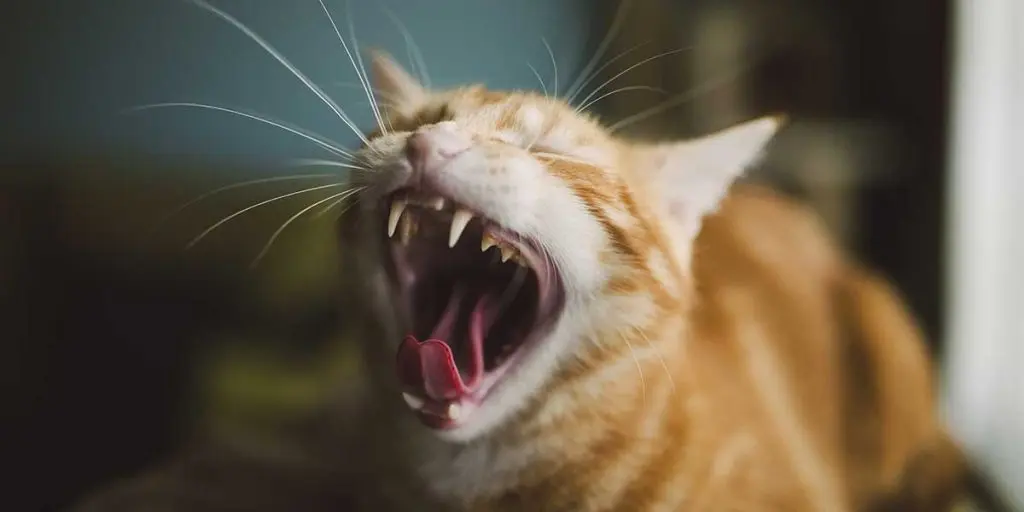
You glance down while petting your cat and notice something off about their meow. Those once pearly whites now look more like aged ivory, leaving you to wonder what’s happening inside your kitty’s mouth.
If you’re asking yourself, “Why are my cat’s teeth yellow?” a veterinarian can help you find answers. In this guide, Harbourside Animal Hospital explains the most common culprits behind this color change.
What Causes Teeth Discoloration in Cats?
Yellow teeth rarely happen overnight, and the reasons often point to problems building up over time. Many of these fall under broader feline dental issues that affect most cats by age four:
- Plaque accumulation: This sticky film forms after meals and hardens within 24 hours if not removed.
- Tartar buildup: Yellow or brown mineralized deposits can cling stubbornly to tooth surfaces.
- Enamel wear: Aging exposes the softer, yellow dentin underneath the protective outer layer.
- Food and medication stains: Certain antibiotics and dyes can leave lasting marks.
- Early gum disease: Inflammation along the gum line can discolor nearby teeth.
Senior cats often show more yellowing because aging, staining, and long-term wear can gradually affect tooth appearance. Genetics also plays a small role in how quickly discoloration appears.
Health Risks Tied to Yellow Teeth in Cats
While minor discoloration may be normal over time, severe yellowing accompanied by other symptoms often signals something more serious happening below the gum line. Without pet dental care, advanced dental disease can contribute to serious health complications that may affect your cat’s overall quality of life and long-term health.
Bacteria from infected gums can travel through the bloodstream and reach the heart, liver, and kidneys; occasionally, systemic inflammation can trigger cat seizure events requiring emergency care. That’s why dental health matters far beyond appearances. Watch for these warning signs that suggest the problem has progressed:
- Bad breath
- Red or swollen gums
- Chewing on one side of the mouth
- Drooling or dropped food
- Loose teeth
If you notice any of these symptoms, schedule a vet visit promptly. Early treatment offers the best chance of slowing disease progression before tooth loss occurs.
How To Restore Your Cat’s Oral Health
After getting an answer to “Why are my cat’s teeth yellow?” the next step is figuring out how to fix the underlying problem. A trip to the vet for dental care is usually necessary. A professional teeth cleaning under anesthesia removes hardened deposits that brushing alone can’t reach.
At home, you can support oral hygiene by brushing your cat’s teeth three or more times per week; consistent care helps establish a routine, similar to knowing how often to visit for wellness exams.
Dental water additives and chew treats also help reduce buildup between visits. Never use human toothpaste, since ingredients like xylitol and fluoride can harm your cat; additionally, keeping your home environment calm and minimizing dog anxiety symptoms can make grooming and dental care much easier in multi-pet homes.
Trust Harbourside Animal Hospital With Your Cat’s Dental Health
If you’ve been asking, “Why are my cat’s teeth yellow?” the cause usually traces back to gum issues, staining, or normal aging. Our team at Harbourside Animal Hospital offers thorough exams and cleanings to keep your feline’s mouth healthy. We can also walk you through an ideal dental cleaning frequency tailored to your pet.
We pride ourselves on providing compassionate veterinary care across Tampa. Call Harbourside Animal Hospital today at (813) 560-0567 to schedule an appointment.
| Prepared by: Harbourside Animal Hospital Editorial Team | Medically reviewed by: Dr. Timothy D. Hodge, DVM |
| Published: May 29, 2026 | Reviewed: May 28, 2026 |