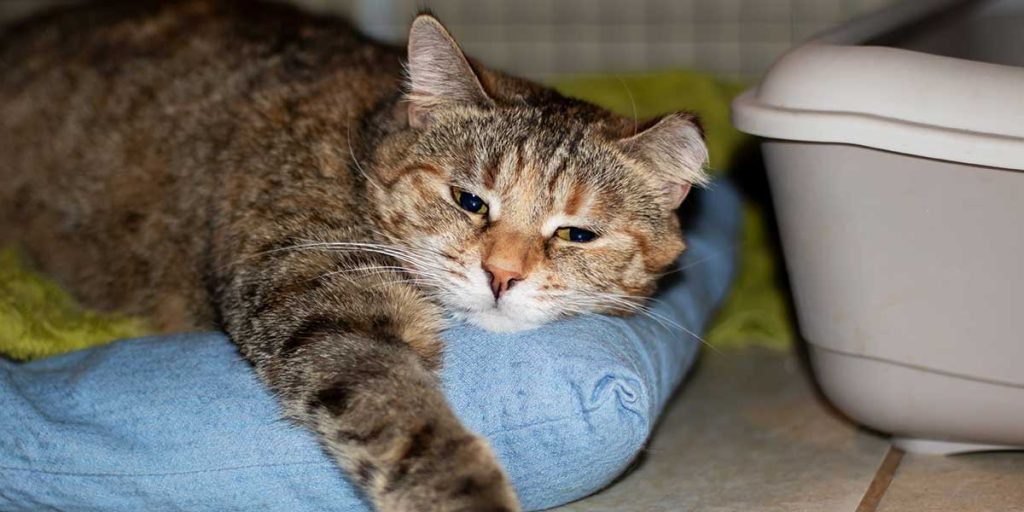
Watching your cat retch over and over can leave you feeling anxious about their health. Many pet parents panic when their cat won’t stop vomiting because frequent vomiting can quickly cause dehydration and weakness. It can also point to anything from stomach irritation to a more serious health issue.
Knowing the warning signs helps you act before your cat’s condition worsens. In this guide, Harbourside Animal Hospital will explain what causes recurring vomiting and when veterinary help becomes essential.
How a Veterinarian in Tampa, FL, Can Help Your Vomiting Cat
Choosing the right clinic can help your cat get timely care when vomiting becomes concerning. A trusted animal hospital in Tampa, FL, focuses on prevention and personalized wellness planning rather than solely reactive treatment. Modern diagnostics combined with gentle handling can transform a stressful visit into a productive checkup that benefits both you and your cat.
What Causes Repeated Vomiting in Cats?
If you tell your vet, “My cat won’t stop vomiting,” several possible causes may need to be ruled out. Here are the common causes:
- Gastrointestinal issues: Inflammation or infection along the digestive tract often produces frequent vomiting episodes.
- Dietary intolerance: Sudden food changes or cat food allergies can upset your cat’s stomach.
- Toxic ingestion: Certain plants or household chemicals may poison your pet quickly after contact.
- Chronic vomiting: Ongoing cases may signal kidney disease or hyperthyroidism, which are often complicated by animal obesity and require careful management.
Warning Signs You Should Never Ignore
Some symptoms suggest your cat needs urgent professional attention rather than at-home observation, so avoid using human toothpaste on pets if you notice oral distress. Watch closely for these red flags:
- Blood in vomit or stool: Visible blood may signal ulcers or internal bleeding that demands fast assessment.
- Lethargy paired with weakness: A normally playful cat who is suddenly inactive may be dehydrated or seriously ill.
- Persistent retching producing nothing: This may signal a serious blockage or severe nausea, so prompt veterinary care is important.
- Visible pain or distress: Yowling or hiding usually means your cat is suffering more than they can show.
What To Do When Your Cat Keeps Vomiting
Recognizing when to take your cat to the vet can keep a manageable issue from becoming a crisis. Repeated vomiting and weakness can indicate that your cat needs urgent veterinary care.
If your cat keeps vomiting, do not ignore it. Bring a vomit sample, as its appearance can offer clues. Mucus-heavy vomit may suggest digestive irritation. Strong-smelling vomit may raise concern for intestinal blockage in cats. Red or coffee-ground-like material may suggest bleeding that requires urgent veterinary care.
Trust Harbourside Animal Hospital With Your Cat’s Care
If “my cat won’t stop vomiting” is your biggest worry, Harbourside Animal Hospital can help quickly. We assess your cat’s condition and explain what care may be needed.
We offer diagnostic exams and tailored treatment plans for cats with recurring digestive issues or unusual behaviors, such as eating grass. Call (813) 560-0567 today to schedule a visit with our team at Harbourside Animal Hospital in Tampa, FL.
| Prepared by: Harbourside Animal Hospital Editorial Team | Medically reviewed by: Dr. Timothy D. Hodge, DVM |
|
Published: April 28, 2026 |
Reviewed: April 27, 2026 |