
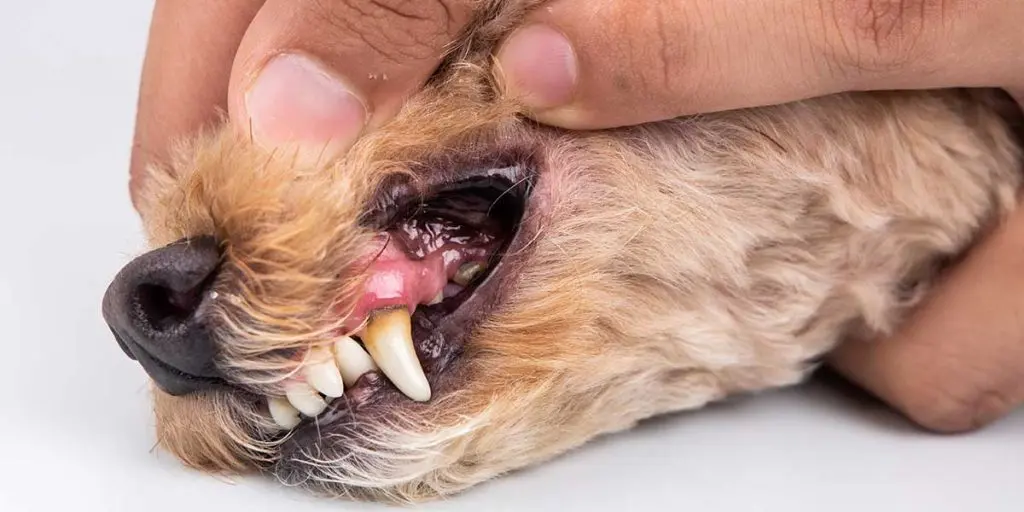
Your dog can’t tell you when something hurts, and that makes dental pain one of the most overlooked health problems in pets. Tooth infections can develop quietly, causing serious discomfort long before you notice anything is wrong. Knowing the signs of dog tooth infection can help you act quickly and protect your pet’s overall health.
In this guide, Harbourside Animal Hospital will explain what signs to watch for, what causes canine dental infections, and when to call a veterinarian.
What To Expect From a Trusted Veterinarian in Tampa, FL
Finding the right care team makes a meaningful difference in your pet’s long-term health. Knowing the signs of dog tooth infection and other common health issues is easier with a trusted provider in your corner. A quality veterinarian in Tampa focuses not only on treating illness but also on prevention, early detection, and guidance tailored to each animal.
The right clinic combines modern diagnostics with compassionate handling and clear communication that keeps you informed at every step. If you’re looking for reliable care, connect with a trusted veterinarian in Tampa, FL, for guidance and preventive support.
Why Dogs Develop Tooth Infections
A canine tooth infection usually starts with bacteria building up along the gumline. Over time, bacteria can move beneath the gumline, leading to an infected tooth in dogs, decay, and serious pain that affects their quality of life.
Periodontal disease is one of the most common drivers of dog dental infection symptoms, and it affects a large percentage of dogs over age three. Without regular attention to dog dental health, tartar and plaque accumulate quickly and create the perfect environment for infection to take hold.
Common Signs of a Dog Tooth Infection
Understanding these signs of dog tooth infection early can prevent more serious health complications. Here are the key warning signs to watch for:
- Bad breath in dogs: While dog breath is never exactly minty, a strong, foul odor that seems suddenly worse is often one of the first indicators of bacterial infection or decay.
- Swollen gums: Redness, puffiness, or bleeding around the gum tissues signal inflammation and possible infection. Contact your vet if you notice these changes.
- Tooth abscess: A visible bump or lump near the jaw or below the eye signals a pocket of infection around a tooth root. This infection indicator needs prompt veterinary attention.
- Difficulty eating: Dogs experiencing dental pain may struggle to chew, favor one side of their mouth, or lose interest in their regular meals.
- Excessive drooling: More drool than usual, especially if it’s discolored or has a bad smell, can point to an oral infection.
- Pawing at the mouth: A dog that repeatedly paws at their face or rubs their muzzle along the floor is often trying to relieve oral discomfort.
Why a Tooth Infection Is More Than Just a Dental Problem
Dog tooth pain is easy to miss because dogs instinctively mask discomfort, but the consequences of an untreated infection go far beyond the mouth. Bacteria can enter the bloodstream and spread to vital organs, including the heart, kidneys, and liver.
Dog oral health is a core part of your pet’s overall wellness, not just a cosmetic concern. Addressing problems early prevents a localized infection from becoming a much bigger and more expensive issue.
When To See a Vet About Your Dog’s Teeth
If you spot any of the signs above, schedule a dental exam sooner rather than later. A veterinarian can take X-rays to carefully assess what’s happening beneath the gumline, catching problems impossible to see from the outside. Early treatment is almost always simpler, less invasive, and less costly than waiting until symptoms become severe.
Don’t wait for symptoms to worsen. Dogs excel at masking discomfort. By the time you notice something is off, the problem may have already progressed significantly.
Harbourside Animal Hospital Is Here To Help Your Dog Smile
Staying informed about the signs of dog tooth infection is one of the best things you can do for your pet. Consistent dental care and early action are the foundation of a healthy, pain-free life for your dog.
At Harbourside Animal Hospital, we provide thorough dental exams and treatment to address infections before they become serious. Start with understanding nose-to-tail care to learn how we support your pet’s complete well-being at every visit. If you spot any of the warning signs above, call Harbourside Animal Hospital in Tampa, FL, at (813) 560-0567 to schedule a dental evaluation for your dog today.
| Prepared by: Harbourside Animal Hospital Editorial Team | Medically reviewed by: Dr. Timothy D. Hodge, DVM |
| Published: March 27, 2026 | Reviewed: March 26, 2026 |