
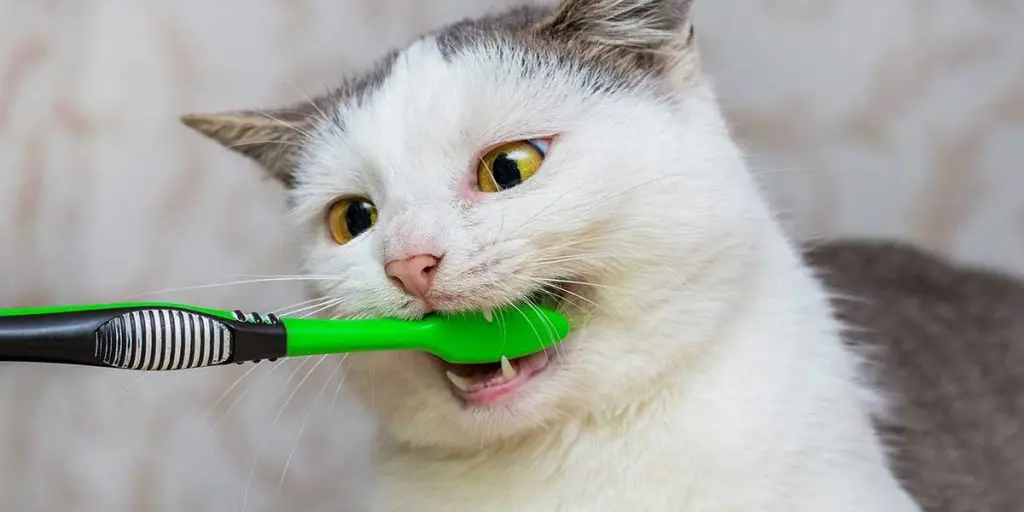
Dental disease is one of the most common health conditions in adult cats. Untreated dental issues in cats can cause a litany of health problems, including diseases that affect the heart, liver, and kidneys. Even if your cat doesn’t develop a significant disease, problems like gum disease or tooth infections may already be advanced by the time symptoms become obvious.
Regular dental cleanings keep your kitty’s teeth healthy and prevent painful infections that progress into serious concerns. But how often do cats need dental cleanings?
Choosing a Quality Veterinarian in Tampa, FL for Cat Dental Care
Selecting the right veterinarian in Tampa, FL, for feline dental care makes all the difference in keeping your beloved pet healthy. However, quality veterinary care is more than technical skill. Compassionate handling is equally important, especially for nervous cats who need extra patience during examinations.
Look for a practice that prioritizes preventive care and clear communication. Catching problems before they become emergencies is always better, and a clinic with modern diagnostic equipment allows veterinarians to detect issues invisible to the naked eye.
The General Feline Oral Hygiene Schedule
Most vets recommend professional cat teeth cleaning once every one to two years, starting around age two or three. During the visit, the veterinary team will also look for tartar buildup, redness, swelling, or loose teeth.
The best way to determine how often cats need dental cleaning is through regular exams, as pet dental cleaning intervals can vary. Some cats, especially senior cats or breeds prone to dental disease, like Siamese and Persian cats, may need more frequent cleanings.
Warning Signs Your Cat Needs Prompt Dental Attention
Bring your pet to the vet for a dental exam immediately if they show signs of dental trouble. Watch for symptoms that often point to dental issues in cats, like:
- Bad breath that doesn’t improve
- Red or bleeding gums
- Drooling
- Difficulty eating or chewing on one side
- Pawing at the mouth
Home Care Makes a Real Difference to Cat Dental Health
Professional cleanings are essential, but home care also influences cat dental care frequency. Brushing a cat’s teeth with veterinarian-approved toothpaste can slow plaque buildup. Dental treats and special diets may also help reduce tartar accumulation.
Sticking to recommended pet dental cleaning intervals can reduce the risk of painful infections and costly procedures.
Schedule Your Cat’s Dental Checkup Today
Taking your cat to the vet for a dental evaluation helps protect them from serious health complications. The investment in regular dental care helps them achieve a better quality of life, avoid emergency procedures, and even add years to their lives. If your feline companion is experiencing any of these warning signs, scheduling a visit for professional pet dentistry is the best way to restore their comfort and health.
So, how often do cats need dental cleaning? For most cats, yearly cleanings and consistent home care provide strong protection against dental disease. However, each cat is unique, and individualized guidance makes all the difference. Contact Harbourside Animal Hospital at (813) 560-0567 to schedule a routine cat dental checkup and keep your pet healthy.
| Prepared by: Harbourside Animal Hospital Editorial Team | Medically reviewed by: Dr. Timothy D. Hodge, DVM |
| Published: February 25, 2026 | Reviewed: February 24, 2026 |