
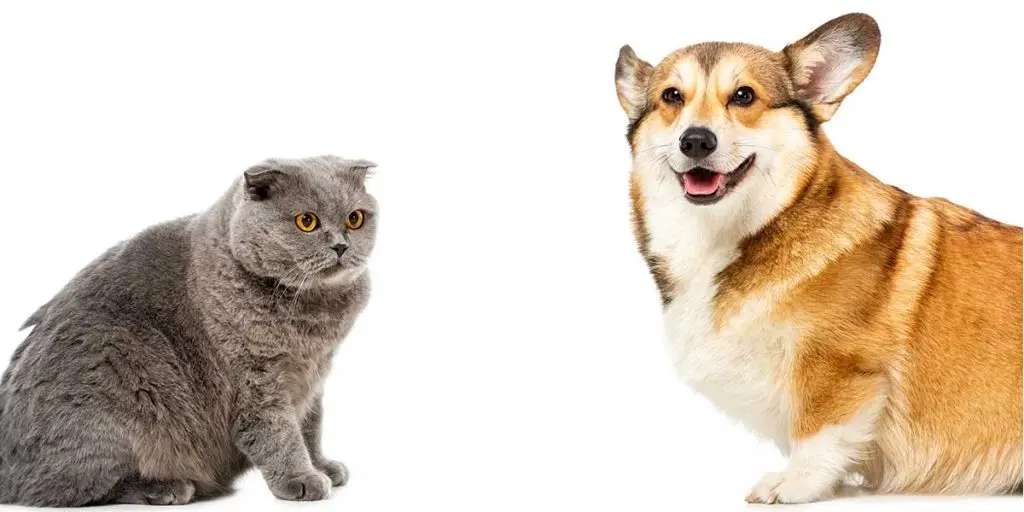
An overweight cat or dog may look exceptionally cuddly and soft. However, the excess weight isn’t ideal for the pet’s health, well-being, and ability to do everyday activities. Obesity in animals can indicate severe health conditions or directly cause them.
Visiting a veterinarian in Tampa, FL, from Harbourside Animal Hospital can help put your beloved four-legged companion on the path to healthy weight management through essential pet wellness tips. Here, our professionals explain what obesity means for animals and how to prevent it in your pets.
How To Recognize Obesity in Animals
Obesity in animals isn’t always recognizable. Pets don’t have to look massive to weigh more than they should for their breed and age.
Here’s how you can check whether your pet is overweight or not.
Cats
When running your hands over your cat’s body, you should feel their hips, ribs, and spine. Their waist should also be plainly visible when you look down on them.
Does your feline friend have a saggy belly? If so, they may be a bit overweight. Cats should only have a small amount of fat around their bellies.
Dogs
When it comes to dogs, they should also pass the waste test when viewed from above. You should also be able to see and feel the outline of their ribs without excessive fat obscuring them.
Take a look at your dog’s belly. If it appears tucked up when viewed from the side, your dog is likely at a healthy weight.
Why Pets Become Overweight
Why is obesity in animals so common? Cats and dogs can gain extra pounds for several reasons, including the following:
Overeating
One of the primary causes of overweight pets is excessive food intake. Overfeeding your pets or giving them too many calorie-dense treats can cause them to reach their daily caloric requirements quickly.
Pet owners often don’t realize they’re overfeeding their animals. In many cases, they misinterpret begging behavior as a sign of hunger, causing them to give their pets more food and treats than they should.
Low Exercise and Activity Levels
Excessive calorie intake and minimal physical activity can cause your body to produce and store more fat, leading to weight gain. The same goes for your pet, especially if the animal spends more time indoors. Your animal needs daily exercise to burn off the extra calories they consume.
Breed
Certain animal breeds are more likely to gain weight than others. Pugs, Labrador retrievers, and dachshunds have a genetic predisposition to carrying extra weight on their frames due to stronger appetites and slower metabolic rates.
Age
Like people, as cats and dogs age, they tend to gain weight. Their metabolism slows down each year, so they require fewer calories as they get older. Unfortunately, some pet owners fail to adjust their feeding patterns to accommodate their senior pets’ slower metabolisms. Gaining weight puts extra strain on senior dogs’ joints and increases their risk for arthritis, high blood pressure, diabetes, and heart disease, making senior pet exercise an important part of maintaining their mobility.
Neutering and Spaying
After a cat or dog undergoes spaying or neutering, they may experience hormonal changes that can impact their overall well-being, affecting everything from their energy levels to their appetite. It’s not unusual for pets with reduced energy or a stronger appetite after these procedures to gain a few extra pounds.
Underlying Health Conditions
Sometimes, an animal’s weight gain isn’t due to poor habits. Certain health conditions, such as hypothyroidism and Cushing’s disease, can cause weight gain due to their impact on metabolism.
The Dangers of Pet Obesity
The problem with obesity in pets is that it can cause serious health problems that can worsen without weight loss or veterinary care. Dealing with obesity is more than just improving your pet’s appearance; it’s also about enhancing their overall well-being, ensuring your pet has a long, healthy life.
Some of the health complications your pet could develop due to being overweight include:
- Heart disease
- Respiratory problems
- Joint pain and arthritis
- Type 2 diabetes
These conditions can put your pet at risk for serious medical complications and a shortened lifespan. The extra weight and the medical conditions it causes can seriously compromise your pet’s well-being and quality of life.
Healthy Weight Management Tips for Overweight Pets
One of the good things about obesity in animals is that, in many cases, pets can shed the excess pounds. The weight gain may not be permanent if overeating and a lack of physical activity are the primary causes.
You can help your pet be healthy, happy, and a few pounds lighter by taking the following steps:
- Control your pet’s food portions: It’s usually a good idea to measure your pet’s food to prevent them from overeating. Treats shouldn’t be more than 10% of their daily calories.
- Increase their exercise: Physical activities are crucial for your pet’s health. Engage in more playtime, take more walks with your pet, or invest in interactive toys to keep your furry companion engaged and moving.
- Monitor their progress: Weigh your pet regularly to monitor how many pounds they gain or lose over a specific period. This information will help you determine whether you should adjust their diet or exercise routine.
- Don’t give in to begging: It’s common for pets to beg for food when they’re not hungry. Learn the difference between your pet’s actual food needs and their attention-seeking behavior.
Because pet obesity can be a serious health concern, it’s always good to consult with your veterinarian about your animal’s weight gain and health. A veterinary health assessment can help rule out underlying medical conditions and provide guidance on your pet’s diet, physical activity, and other aspects of their lifestyle to keep them healthy.
Learn More About Your Pet’s Dietary and Nutrition Needs
Obesity in animals should be a concern for you as a cat or dog owner. The more weight your beloved animal gains, the more pet wellness challenges they’ll experience. The good news is that professional pet obesity prevention, with the help of a seasoned veterinarian, can help your animal shed pounds in a healthy way.
Harbourside Animal Hospital in Tampa, Florida, proudly offers a wide range of veterinary services. Our skilled veterinarians provide comprehensive care, addressing everything from animal nutrition to routine physical examinations. To schedule an evaluation for your overweight pet, contact Harbourside Animal Hospital at (813) 560-0567.
| Prepared by: Harbourside Animal Hospital Editorial Team | Medically reviewed by: Dr. Timothy D. Hodge, DVM |
| Published: October 8, 2025 | Reviewed: October 7, 2025 |