
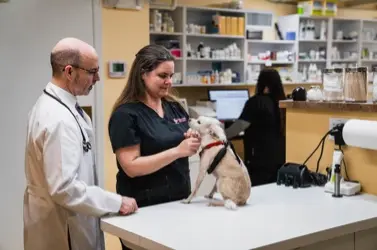
Regular health check-ups for your pet play a key role in maintaining their overall health. They act as a preventive mechanism, spotting potential health problems before they amplify into serious issues. Think of it like a roadmap – each visit to the vet charts your pet’s wellness journey, helping navigate away from any bumps or potholes (i.e., diseases) along the way. But here’s something you might not expect: these visits also provide a record over time, capturing changes that could reveal hidden conditions. Even if your pet seems perfectly healthy, don’t forget that routine check-up—it just might catch something you didn’t see coming.
Regular physical examinations for pets are crucial for early detection of health issues, ensuring optimal wellness, and providing personalized care based on your pet’s specific needs. By scheduling these check-ups, pet owners can help prevent diseases, detect infections, and address any potential health concerns proactively.
Importance of Regular Pet Health Check-ups
When it comes to keeping our pets healthy and happy, there’s nothing quite as important as regular visits to the veterinarian. These visits aren’t just for when our pets are sick—far from it. They’re crucial for maintaining your pet’s top form, even when they seem perfectly fine. Remember, our pets can’t tell us when something’s wrong. They rely on us to take good care of them and that means paying attention to their health. Regular check-ups help find small problems before they become big ones, leading to better treatment outcomes, which in turn contribute to a longer and healthier life for our pets.
One of the greatest benefits of these check-ups is catching things early. Just like us, our pets are prone to silent suffering too. They may not show signs that anything’s wrong until a problem is very advanced. But when we visit the vet regularly, they can use special instruments and tests to find out if everything’s alright inside our pets’ bodies. For instance, if your pet has an issue with their kidneys, a blood test can help reveal the problem. Catching it early might be the difference between a small change in diet and dealing with a life-threatening condition later on. It’s all about being proactive to keep potential issues from getting worse.
Moreover, these visits are crucial for staying on schedule with important vaccinations. Missing even one can leave your pet vulnerable to diseases, some of which can be potentially fatal. By staying updated on vaccinations, you’re actively preventing certain illnesses, saving both money and distress in the long run. Additionally, these health check-ups serve as an opportunity to address any concerns or questions you may have about your pet’s behavior or well-being. Are they sleeping more than usual? Eating less? Being less active? A veterinarian can help interpret these signs and provide guidance tailored to your specific pet.
Regular health check-ups are indeed vital for maintaining the overall wellness of your pet by addressing concerns before they become major problems and ensuring that they’re up to date on essential vaccinations. Now, let’s delve into the importance of early disease detection and how it contributes to your pet’s long-term health and well-being.
Early Disease Detection Advantages
Imagine noticing your pet seeming “off”—perhaps less energized, eating less, or displaying altered behavior. These could be signs that something isn’t quite right with your furry friend. However, pets can’t verbalize their discomfort, so it’s up to us to take notice. The thing about illnesses and diseases is that they often start off very small and are hard to detect. For instance, your pet might have a bit of joint pain or mild stomach discomfort that doesn’t seem like much initially. But if left unaddressed, these seemingly minor issues can develop into major health problems.
Think of it this way: Just like a tiny crack in the wall can lead to serious water damage if not tended to, a minor health issue in your pet can grow into something much worse. Catching problems early on is crucial. Regular physical examinations are an essential tool in this battle against hidden health issues. A veterinarian’s trained eye and diagnostic tools can pick up subtle signs that indicate potential health concerns. By uncovering diseases and medical conditions in their early stages, vets can intervene promptly and prevent them from progressing into more severe problems. This not only keeps your pet healthier but also saves you from having to tackle more complex and expensive treatments later on.
Determining the Frequency of your Pet’s Exams
Pets, much like humans, require differing levels of care and medical attention at different stages of their lives. Puppies and kittens need more frequent exams at the outset of their lives – their rapidly developing bodies make them more susceptible to certain health issues that adult animals aren’t prone to.
Puppies and Kittens
Puppies and kittens usually need a series of initial visits in the first few months of life to ensure that they are growing as they should be and to receive necessary vaccinations. These initial appointments also provide an opportunity for the veterinarian to address any questions or concerns new pet parents may have.
Adult Pets
Once your pet reaches adulthood, it’s generally recommended to have them seen by a veterinarian once a year. These annual check-ups help you keep track of your pet’s overall health and alert you to any concerns that may not be evident from home examinations.
Senior Pets
As pets enter their golden years, usually around 7 for cats and 6-9 for dogs, their healthcare needs start to change. They’re more susceptible to age-related health issues such as arthritis, diabetes, and cancer. Because of this, senior pets may require more frequent visits to the veterinarian—usually at least twice annually—to address these concerns promptly.
It’s important to tailor your pet’s examination schedule to their specific needs based on factors such as breed, size, pre-existing health conditions, and lifestyle. By doing so, you’ll ensure that they receive optimal care throughout each stage of their life. Regular physical exams can help detect early signs of diseases in pets, leading to better treatment outcomes.
Unfolding the Process of a Pet Physical Examination
When you bring your beloved furry friend to the veterinarian for a physical exam, it’s more than just a quick check-up. The vet conducts this examination in several steps to carefully evaluate your pet’s health and look for any signs of illness or discomfort.
Step I – General Assessment
The first step involves the veterinarian observing your pet’s behavior, movements, and overall appearance. This general assessment is crucial, as it helps the vet look for any signs of discomfort or abnormalities that might not be immediately apparent. Additionally, during this step, the veterinarian will closely observe your pet’s demeanor and interactions to gauge their mental and emotional well-being.
Step II – Vital Signs Check
After the general assessment, the veterinarian checks your pet’s vital signs, including temperature, heart rate, and respiratory rate. Measuring these vital signs allows the vet to gauge your pet’s overall health status and detect potential underlying issues that may not be immediately visible.
Step III – Comprehensive Inspection
This step involves a thorough physical inspection encompassing various areas of your pet’s body. The veterinarian will carefully examine your pet’s eyes, ears, mouth, skin, fur, muscles, and abdominal organs. This comprehensive inspection helps to identify any potential issues or abnormalities within these areas. For instance, an inspection of the eyes may reveal signs of infection or disease, while an examination of the ears may uncover ear mites or other issues. Similarly, inspecting the mouth can help detect dental problems such as decay or gum disease.
Furthermore, by feeling the abdominal organs during this inspection, the veterinarian can determine if any internal organs are enlarged or if there are any unusual growths present that need to be investigated further.
The meticulous process involved in a pet physical examination ensures that every aspect of your pet’s health is thoroughly evaluated, providing an opportunity for early detection of any potential health issues and intervention before they escalate.
Scheduling an Appointment with Your Veterinarian
When it comes to scheduling an appointment for your pet’s physical examination, it’s essential to find a veterinary clinic that is conveniently located and, preferably, highly recommended. Begin by conducting some research on local veterinary clinics in your area. You can ask fellow pet owners for recommendations, read online reviews, and visit the clinic websites if available. Look for a clinic that not only provides excellent medical care but also exhibits compassion and understanding towards pets.
If you notice a high number of positive reviews citing friendly staff, clean facilities, and skilled veterinarians who go the extra mile to comfort anxious pets, it may be an indication that this could be the right clinic for your pet. Once you’ve identified a few potential clinics, you can contact them directly via phone or utilize any online appointment scheduling system they may offer on their website. Do not hesitate to reach out to the clinic with any questions or concerns you have regarding the physical exam and the services they provide. A reputable veterinary clinic should be more than happy to address any queries you may have.
Remember: Ensuring your pet feels comfortable and well-cared for during their visit is just as important as receiving top-notch medical attention. This all starts from the very first contact with the veterinary clinic. The next step is preparing for your pet’s physical examination; ensuring you have all the necessary information and records ready will help make the process run smoothly.
Factors to Consider in a Pet Health Schedule
As responsible pet owners, it’s crucial to tailor a health schedule specific to your pet’s individual needs, taking into account several key factors. Let’s explore these factors to ensure that your pet receives the best care possible.
Pet’s Age
Understanding your pet’s age is crucial because different life stages require different levels of care. Puppies and kittens need more frequent exams—usually the first visit is at 6-8 weeks of age and then every 2-3 weeks until they are about 16 weeks old. After this, annual exams suffice until they reach their senior years. Adult animals generally require yearly check-ups, while geriatric pets, usually older than 8 years for cats and 6-9 years for dogs, need more frequent visits due to their higher susceptibility to age-related conditions such as arthritis.
Breed and Size
The breed and size of your pet can greatly influence their health needs. Certain breeds are predisposed to specific health issues that may require targeted preventive care. For instance, large dog breeds are more prone to joint problems like hip dysplasia, whereas flat-faced breeds, such as pugs and bulldogs, are at greater risk of respiratory issues. It’s important to take these breed-specific vulnerabilities into account when planning your pet’s health schedule.
Give Your Pet the Best Care with Regular Physicals
At Harbourside Animal Hospital, we believe that regular physical examinations are essential to giving your pet the best possible care. Routine checkups allow our experienced veterinarians to assess your pet’s overall health, detect early signs of illness, and provide proactive treatments to keep them feeling their best. Located in Tampa, FL, our clinic is dedicated to delivering compassionate and thorough veterinary care tailored to your pet’s needs.
Whether it’s a routine wellness exam or specialized care, we’re here to support your pet’s health at every stage of life. Contact us today at (813) 560-0567 to schedule your pet’s next checkup and ensure they stay happy and healthy for years to come.
| Prepared by: Harbourside Animal Hospital Editorial Team | Medically reviewed by: Dr. Timothy D. Hodge, DVM |
| Published: January 31, 2025 | Reviewed: January 30, 2025 |